

Economic Policy

Faulkner_-__Constitution__mural_(corrected)
Public domain image of the Barry Faulkner mural "The Constitution," at Wikimedia Commons: https://commons.wikimedia.org/wiki/File:Faulkner_-_%22Constitution%22_mural_(corrected).jpg

Returning to Our Founding Will Make America Great Again

To make America great again, every American citizen should know what was the main driver of America's success in becoming the world's superpower economically and militarily by the early 20th century. America's greatness then was primarily attributable to its spiritually-grounded culture and its form of government—a unique constitutional republic that empowered the people and the states more than elites and the federal government. Read More ›
airplane-flying-over-colorful-cargo-containers-stockpack-ado-1069008695-stockpack-adobe_stock
Airplane Flying Over Colorful Cargo Containers
Image Credit: evening_tao - Adobe Stock

A New Era of Economic Nationalism

The United States was founded on Free Trade. And, high tariffs. Domestically, the United States had exceptional economic policy. There were hardly any taxes, and the currency was reliably fixed to gold. Trade was Free between States. With what I've called "The Magic Formula" (Low Taxes and Stable Money), the US got richer — even with high tariffs with the rest of the world. Read More ›
hundreds-kilos-of-gold-stolen-during-war-in-europe-found-on-258281978-stockpack-adobe_stock
Hundreds kilos of gold stolen during war in Europe found on unknown place
Image Credit: Couperfield - Adobe Stock

Gold Is Still Your Only Monetary Alternative
Today, we are seeing a lot of the institutions and bad ideas of the Post World War II Consensus breaking down and collapsing. Among these is the rather stupid notion that economies should be managed by some combination of currency and interest rate manipulation, and “fiscal stimulus” spending that amounts to utter waste, for the simple reason that it has no justification except as “stimulus.” These are the conclusions of “Keynesianism,” which has been taught in all universities since the 1940s. Read More ›
eagle-printed-on-bill-of-america-stockpack-pexels-4386151-stockpack-pexels
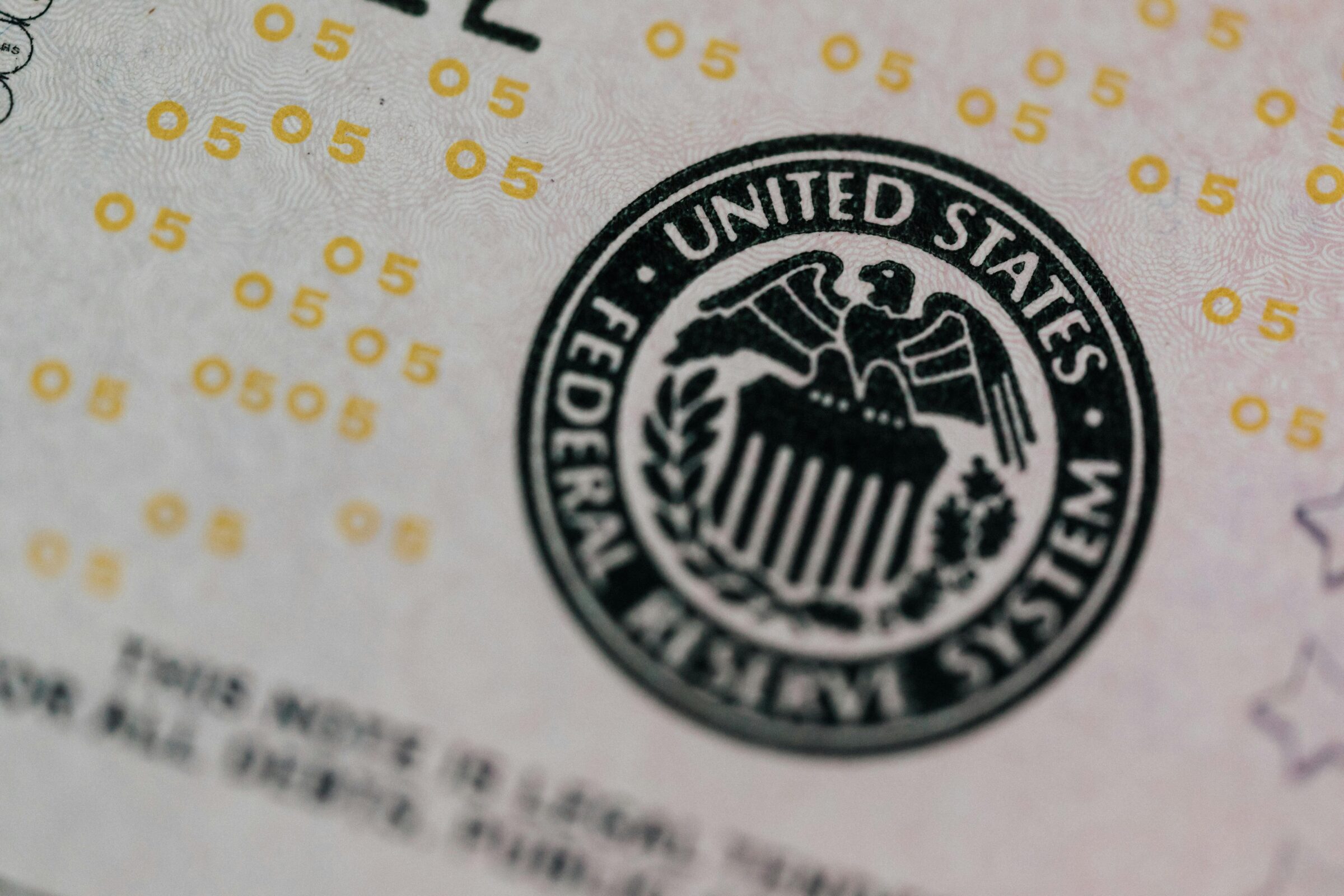
Eagle printed on bill of america
Image Credit: Photo By: Kaboompics.com - Pexels

How to End the Fed

President Wilson enacted the Federal Reserve Act in 1913. This allowed a consortium of private bankers to establish what amounted to a central bank monopoly currency issuer in the United States — although they took great pains to deny that was the goal. The Federal Reserve was never part of the government. It was the fourth attempt by private bankers to establish a monopoly currency issuer in the United States. Read More ›
cybersecurity-laws-and-evolving-measures-for-digital-safety-1162314261-stockpack-adobestock
Cybersecurity laws and evolving measures for digital safety
Image Credit: Ummeya - Adobe Stock

Looking Ahead to the Digital Imperatives

The following is a review of Discovery Institute Fellow Richard Rahn’s book, “The End of Money: And the Struggle for Financial Privacy”, written by William H. Peterson and published in The Washington Times. In 1976 economist Richard Rahn was struck by a radical idea in a new book by F.A. Hayek, the Nobel laureate in economics. The book was, “The Denationalization of Money.” In it, Hayek held that government monopolization of money was neither necessary nor desirable, that politicians had thus the means to press central banks to cheapen money and cut interest rates, especially before national elections. The aim: Create a boom that would sweep incumbent politicians back into power. The catch: Booms lead to recessions, or an inflationary Read More ›

macro-shot-of-padlock-combination-numbers-stockpack-adobe-st-83121020-stockpack-adobestock
macro shot of padlock combination numbers
Image Credit: ronstik - Adobe Stock

Financial Privacy in Peril

What cause unites Christian conservatives, free-trade Democrats, small-business people, the American Civil Liberties Union and tax reformers? Financial freedom and privacy. The cause is being advanced in a series of legislative battles against big-government activists from both parties over the issues of encryption restrictions, asset forfeiture and, of most immediate concern, requirements that banks serve as agents of the state by monitoring the activities of their customers. The cornerstone of this last activity is the Bank Secrecy Act of 1970. The BSA is, in fact, an antisecrecy act, because it requires bankers to spy on their customers by monitoring accounts for “suspicious activities.” Bankers who fail to comply with this requirement are subject to prosecution and fines. Since Congress enacted Read More ›